
Discover the landmarks that best define Tulcea and the Danube Delta: Letea Forest, the Delta’s lakes and channels, traditional villages, the Tulcea Aquarium, and the Independence Monument.
Esplanada Journal
The Danube Delta is one of Europe’s most valuable natural regions and part of the UNESCO World Heritage list, appreciated for its exceptional biodiversity and landscapes unlike anywhere else in Romania. Around it, Tulcea works not only as a departure point, but also as a city that adds context, culture and a very useful introduction to everything the Delta represents.
If you want to understand what is truly worth seeing in the area, the best approach is to divide the experience into two layers: the natural attractions and boat-based experiences inside the Delta, and the cultural and urban landmarks of Tulcea itself. Together, they create one of the most complete travel experiences in Dobrogea.
Top attractions in the Danube Delta
- Wild channels and the lush vegetation typical of the Delta
- Letea Forest – one of the Delta’s best-known protected areas
- Fortuna and Roșu Lakes – appreciated for scenery and birdwatching
- Pelican colonies – the most recognizable visual symbol of the Delta
- Traditional villages such as Mila 23 and Sfântu Gheorghe
Letea Forest – one of the emblematic images of the Delta
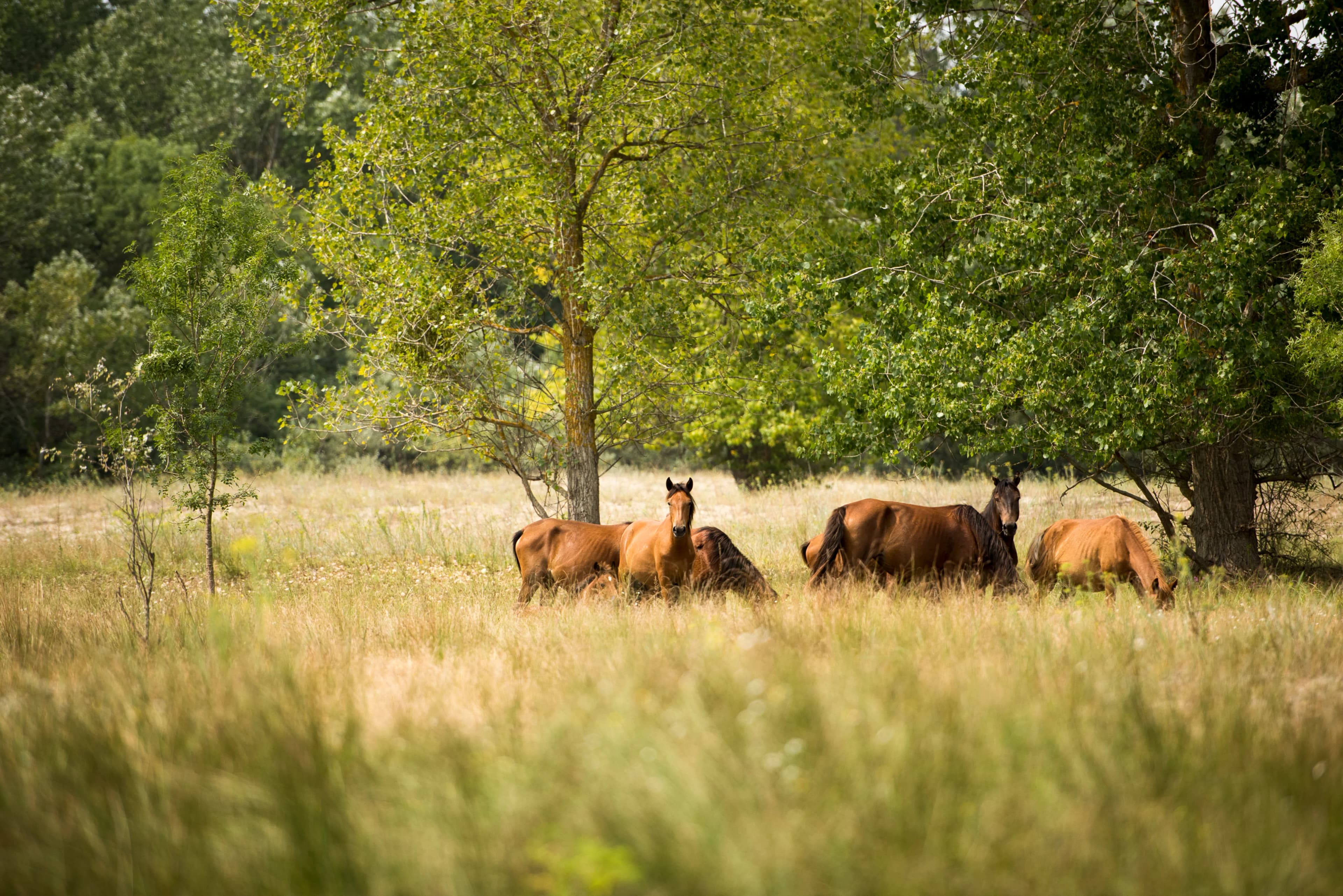
Letea Forest is one of the best-known attractions in the Danube Delta and appears constantly in guides dedicated to the region. It is associated with sand dunes, distinctive vegetation and the presence of wild horses, which have gradually become one of the most recognizable images of the area. For many visitors, Letea is one of the experiences that gives the Delta its rare and surprising character.
Beyond its visual appeal, Letea matters because of the contrast it creates: water, reeds and channels, followed by a landscape that changes the entire visual register. It is one of those stops that adds depth to a Danube Delta trip.
The lakes and channels of the Delta – the essence of the experience
Boat trips remain the most natural and rewarding way to discover the Delta. Lakes such as Fortuna and Roșu, along with narrower channels, offer exactly what most guests are looking for: silence, closeness to nature and the opportunity to observe birds in their natural habitat.
These areas are especially appreciated by travelers interested in photography, birdwatching and pure landscape. The Delta is not simply a destination to check off a list — it is a different rhythm, and that rhythm is felt most clearly on the water.
Pelican colonies and the Delta’s biodiversity
One of the reasons the Danube Delta is so highly valued internationally is its biodiversity. UNESCO emphasizes the region’s importance through the large number of bird species and freshwater fish species, and for visitors this becomes a rare visual and natural experience. Pelicans have become the Delta’s most recognizable symbol, but the experience is far broader than a single species — the entire ecosystem creates the feeling of being in a vast, living and authentic landscape.
Traditional villages – another face of the Delta
Places such as Mila 23 and Sfântu Gheorghe offer a different perspective on the region. Here, the Delta is no longer only landscape, but also a way of life. Local cuisine, a slower daily rhythm and the direct connection to water complete the experience in a way that few destinations can offer so naturally.
If you want to understand the Delta beyond its beauty, these villages have special value. They add a human dimension to a region that could otherwise be seen only through the lens of wild nature.
What to visit in Tulcea before or after Delta excursions
Many travelers focus exclusively on the Delta itself, but Tulcea has its own landmarks that deserve to be part of the itinerary. For a balanced stay, the combination of natural experiences and urban discoveries is one of the best choices you can make.
- Danube Delta Eco-Tourism Museum Center / Aquarium
- The Independence Monument (the monument dedicated to the heroes of the War of Independence)
- The History and Archaeology Museum in the Independence Monument Park
- The Danube promenade – for atmosphere, walks and sunsets
- The city center and Civic Square
The Tulcea Aquarium – one of the city’s most valuable attractions
The Danube Delta Eco-Tourism Museum Center in Tulcea, known by most visitors mainly for its aquarium, is one of the most useful stops for guests who want to understand the region before exploring it on the water. The institution opened to the public in 2009, and its aquarium officially presents 24 indigenous fish species from the Danube Delta and the Black Sea, together with reef fish, marine invertebrates and corals, making it a particularly valuable attraction even at national level.
Its advantage is clear: it gives context. Before a Delta excursion, it helps visitors understand the ecosystem; afterward, it completes the experience with a more coherent reading of what they have already seen in nature. It is also one of the most accessible and well-designed urban attractions for families and guests who want a more varied stay in Tulcea.
The Independence Monument – a symbolic landmark of Tulcea
Another important point in Tulcea is the Independence Monument, also referenced in local official documents in connection with the heroes of the 1877 War of Independence. Documents published by Tulcea City Hall state that the monument on Colnicul Hora was erected in honor of the heroes of the War of Independence of 1877, the historical moment after which Dobrogea returned to Romania.
Beyond its historical meaning, the monument functions today as one of the city’s identity landmarks. The surrounding area also connects to other important layers of local history: the Independence Monument Park and the nearby Tulcea History and Archaeology Museum. For visitors who want to understand the city more deeply, this ensemble has real value.
Why it is worth seeing Tulcea, not only the Delta
One of the best decisions for a well-rounded stay is not to treat Tulcea as a simple transit point. The city has a real role within the Delta experience: it offers context, comfort, cultural landmarks and a rhythm that complements water-based excursions very well. Instead of choosing only movement and logistics, you can build a more balanced stay — alternating exploration with calmer hours, museums with walks, and nature with the urban perspective over the Danube.
Frequently asked questions about attractions in Tulcea and the Danube Delta
- What are the best-known attractions in the Danube Delta? Letea Forest, the Delta’s lakes and channels, pelican colonies and traditional villages remain among the most sought-after experiences.
- What is worth visiting in Tulcea? The Aquarium / Danube Delta Eco-Tourism Museum Center, the Independence Monument, the History and Archaeology Museum and the Danube promenade are among the most relevant landmarks.
- Is the Tulcea Aquarium worth visiting before a Delta excursion? Yes, because it provides useful ecosystem context and complements the experience very well.
- What does the Independence Monument represent? It is a monument erected in honor of the heroes of the 1877 War of Independence and one of the symbolic landmarks of Tulcea.
If you want a complete experience in Tulcea and the Danube Delta, it is worth seeing them together rather than separately. The Delta offers nature and its singular rhythm, while Tulcea adds context, history and the kind of balance that makes an entire stay richer, more coherent and more memorable.